What “extraction” means in a home kitchen
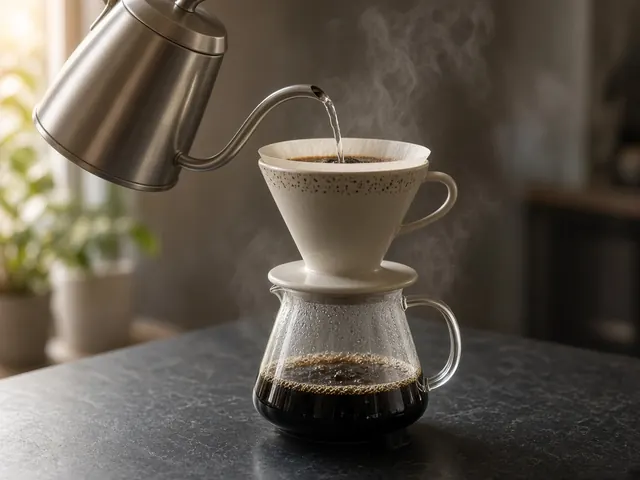
Extraction is simply how much flavor (and other soluble material) water pulls from ground coffee. Under-extracted cups often taste sharp, thin, or sour. Over-extracted cups often taste harsh, drying, or bitter. A balanced cup sits between those extremes for your taste—not for a contest score.
You do not need café credentials to use this idea. If a cup tastes off, ask whether water contacted the grounds too briefly, too long, too unevenly, or at a ratio that made strength confusing.
Strength is not the same as extraction
Strength is how concentrated the brew tastes—mostly driven by the coffee-to-water ratio and how much material actually dissolved. A strong cup can still be under-extracted if it tastes sharp and hollow. A milder cup can still be over-extracted if it tastes woody and dry.
That is why changing grind, time, temperature, and ratio separately matters. If you change three things at once, you will not know what fixed the cup.
The few variables that matter most
- Dose: how many grams of coffee you use.
- Water mass: how many grams (or milliliters, approximately) of water you add.
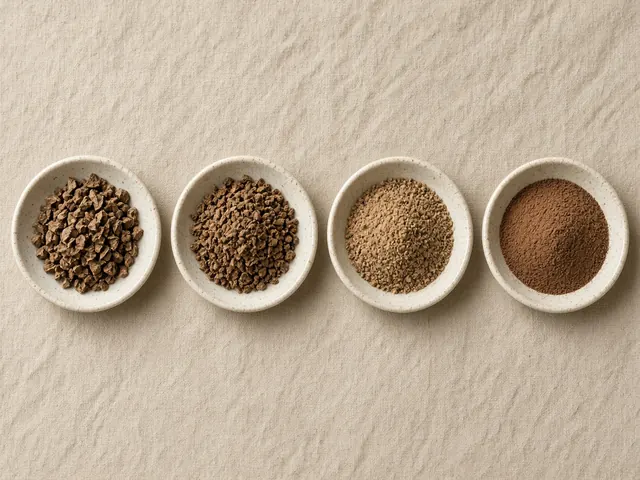
- Grind size: how fine or coarse the particles are.
- Time: how long water and coffee stay in contact.
- Temperature: how hot the water is when it meets the coffee.
- Evenness: whether water reaches all the grounds similarly.
Home brewing gets easier when you pick a method, write down a starting recipe, and adjust one dial after you taste.
A calm starting mindset
Buy whole beans with a roast date when you can, grind close to brew time, and use a scale if you have one. Ratios such as 1:15 to 1:17 (coffee:water by weight) are common educational starting points for many filter methods—not laws.
Use our free Coffee Brew Ratio Calculator when you want quick math, then taste. If the cup is weak but pleasant, add dose next time. If it is harsh, coarsen the grind or shorten contact time before you blame the beans.
Common mistakes
- Chasing equipment before a repeatable recipe.
- Changing grind, ratio, and time in the same brew.
- Assuming bitterness always means “dark roast” when it can also mean over-extraction or dirty gear.
- Skipping cleaning for weeks and calling it a bean problem.
A short practice checklist
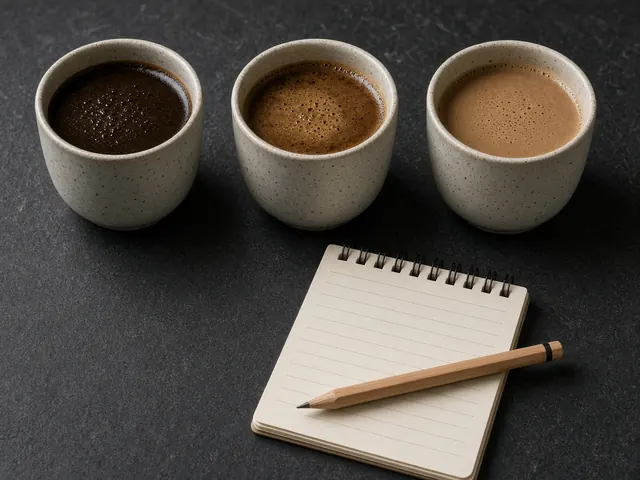
- Write your dose, water, grind note, time, and tasting words.
- Change only one variable on the next brew.
- Rinse brewers and wipe grinders on a schedule you can keep.
- Read related guides on temperature and troubleshooting when a cup stays stuck.
What this guide does not claim
This is educational coffee information for home use. It is not barista certification, medical advice, or a promise that a certain cup will improve sleep, focus, or health. Caffeine effects vary by person; see our caffeine basics guide and public FDA consumer information for general context.
FAQ
Do I need a scale?
A scale makes ratios repeatable. Measuring spoons work as a rough start, but density varies with grind and roast.
Why does café coffee taste different?
Different water, roast dates, grinders, and practice. Copy ratios first, not Instagram gear piles.
Keep practicing with intention
Home coffee improves when you repeat a simple recipe often enough to recognize change. Keep your kettle, grinder, and brewer clean enough that flavor experiments are fair. If you share a kitchen, leave the recipe on a sticky note so the next person does not silently change three dials.
When you want math help for a different mug size, open the free Coffee Brew Ratio Calculator, print or save a recipe on your device if you like, and return to tasting. Educational ranges are tools—not absolute laws for every bean and every city water supply.