Clean gear tastes clearer
Old coffee oils and mineral films dull sweetness and add bitterness that no grind trick fully fixes. Short, regular cleaning beats rare deep scrubs you avoid.
What to clean how often
Daily: rinse brewers, wipe portafilters, brush grinder chutes. Weekly: deeper washes of press screens, dripper parts, and canisters. Follow manuals for tablets, solutions, and dishwasher-safe parts.
Never mix cleaning chemicals casually. Use products labeled for your machine type when the manufacturer requires them.
A simple weekly loop
Follow these as a starting sequence, then adjust by taste.
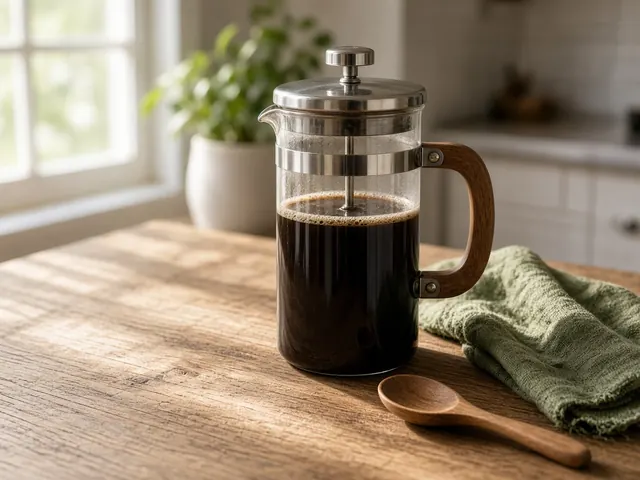
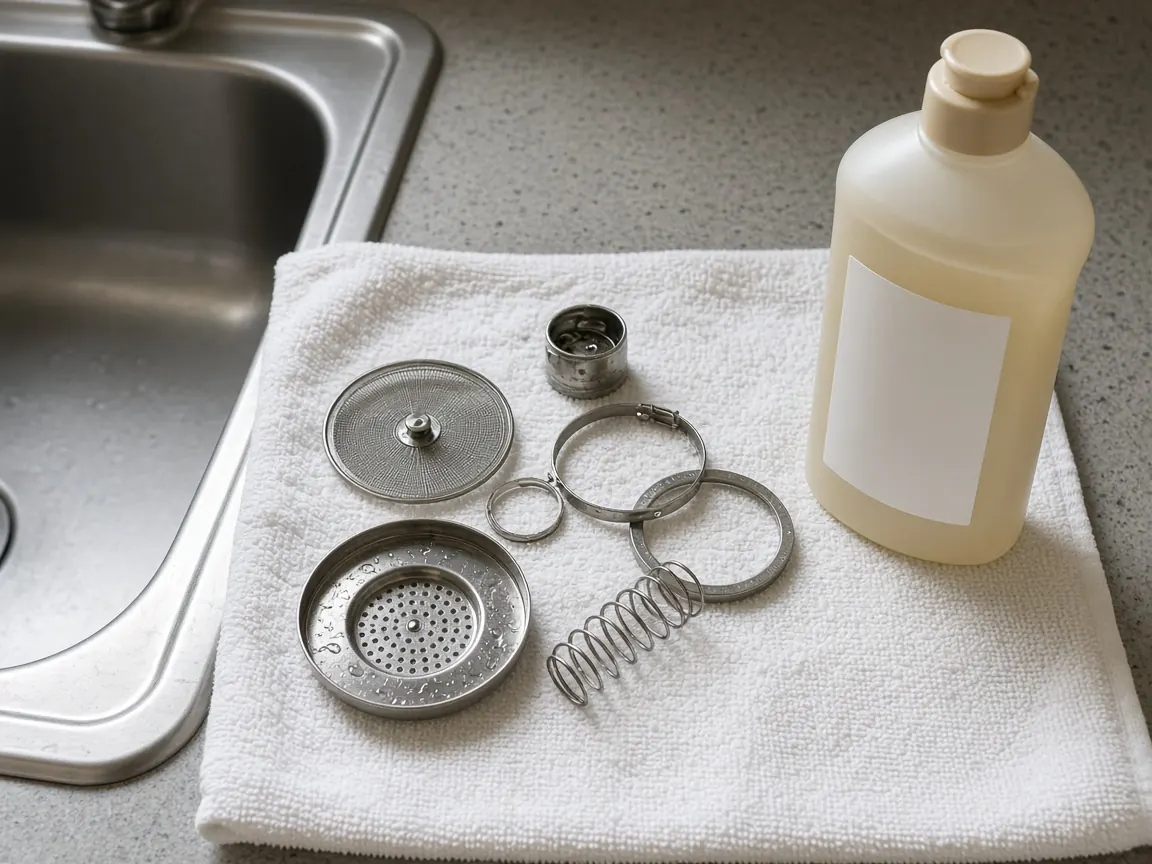
- Disassemble press filter screens and wash.
- Wash dripper and carafes with hot soapy water; rinse well.
- Brush grinder burrs/chamber per manual; unplug first.
- Wipe exterior oils.
- Run a plain water rinse cycle on machines after cleaners.
Common mistakes
- Leaving soapy residue in carafes.
- Running cleaners without the rinses the manual requires.
- Ignoring the grinder for months.
Checklist
- Rinse after every brew day.
- Weekly screen/brush appointment.
- Manual followed for chemicals.
Honest limits
Not appliance repair. Stop and get service help if machines leak electricity or fail safely.
Realistic example
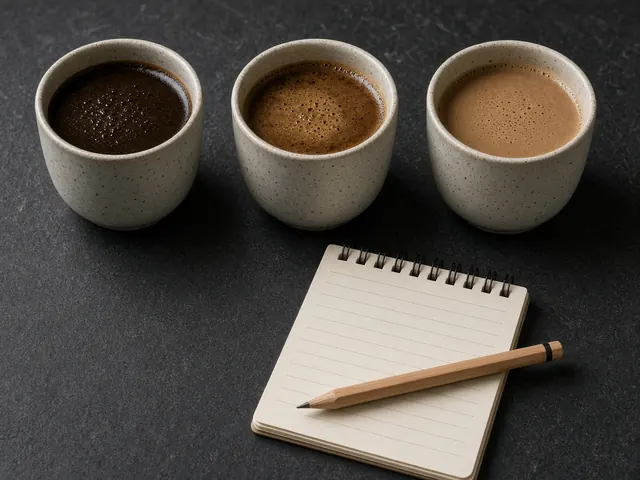
On a weekday, write your dose and water targets before you heat water. Brew once, taste without sugar first, then decide whether tomorrow needs a finer grind, a coarser grind, or simply a cleaner brewer. Small honest notes beat dramatic overhauls.
FAQ
Is this the only correct way to brew?
No. These are educational starting points for home kitchens in the United States. Taste and your equipment manuals matter.
Will this fix every bad cup?
No single article can. Use cleaning, ratio, grind, and time in order before you replace gear.
Do you sell the equipment mentioned?
No. BrewCraftJournal is an independent educational publication without affiliate store rankings.
Keep practicing with intention
Home coffee improves when you repeat a simple recipe often enough to recognize change. Keep your kettle, grinder, and brewer clean enough that flavor experiments are fair. If you share a kitchen, leave the recipe on a sticky note so the next person does not silently change three dials.
When you want math help for a different mug size, open the free Coffee Brew Ratio Calculator, print or save a recipe on your device if you like, and return to tasting. Educational ranges are tools—not absolute laws for every bean and every city water supply.
A weekday practice note
Pick one recipe and brew it three mornings in a row before you change the grinder. Write the dose, water weight, approximate grind note, and two tasting words. When something tastes off, clean the brewer first, then change only one dial. This habit matters more than collecting new drippers.
If you share the kitchen, leave the written recipe visible so the next person does not silently change three settings. Use the free Coffee Brew Ratio Calculator when you need a different mug size, then return to tasting. Educational ranges are tools for home kitchens—not absolute laws for every bean and every city water supply.